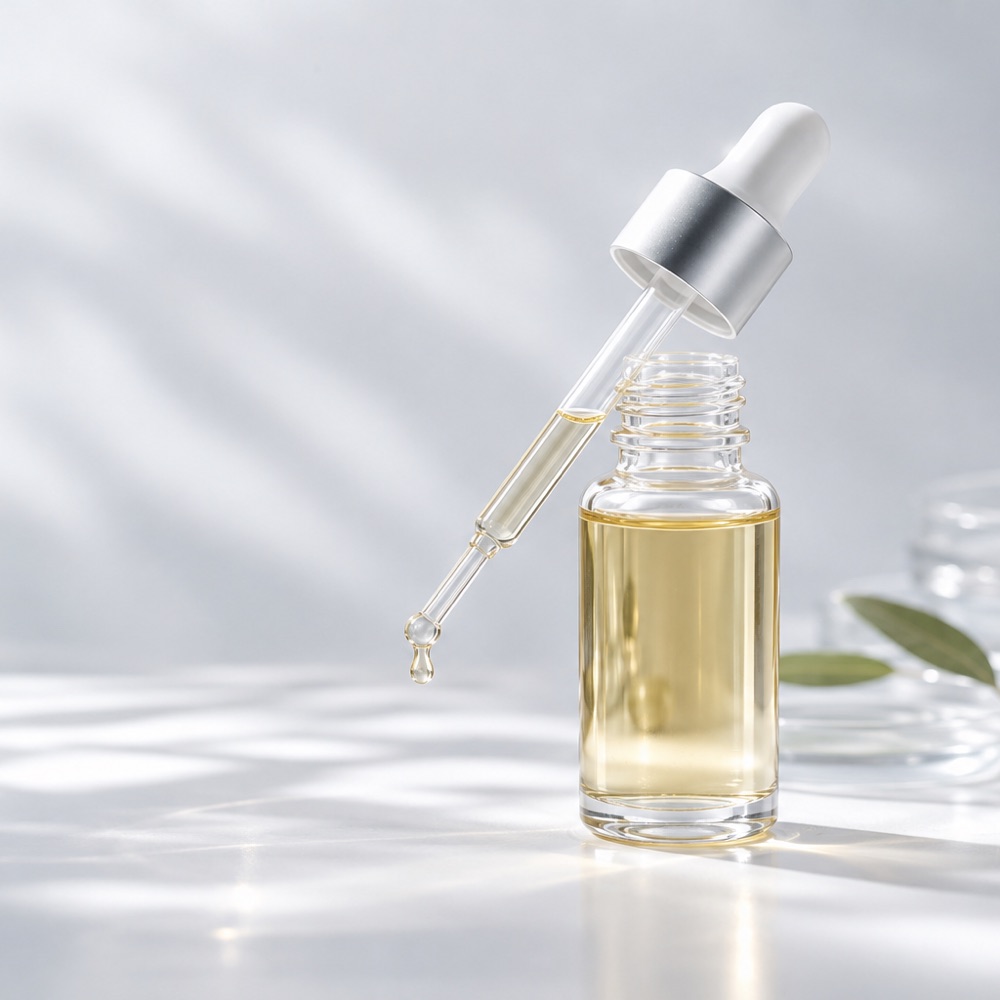
How to Develop a Facial Oil: A Decision Guide to Texture, Plant Oils and Preventing Oxidation
Developing a facial oil starts with deciding its use (face, massage, body or hair) and its texture (a light dry oil or a richer nourishing oil), then choosing plant oils that fit the brand story and skin feel. Because oils contain no water, the main quality risk is oxidation, managed through antioxidants, the oil blend, light-protective packaging and limiting air contact; packaging such as dropper bulbs must also be tested for compatibility with the oil. Claims can describe skin feel and the experience of use, but not medical effects.
Latest Insights
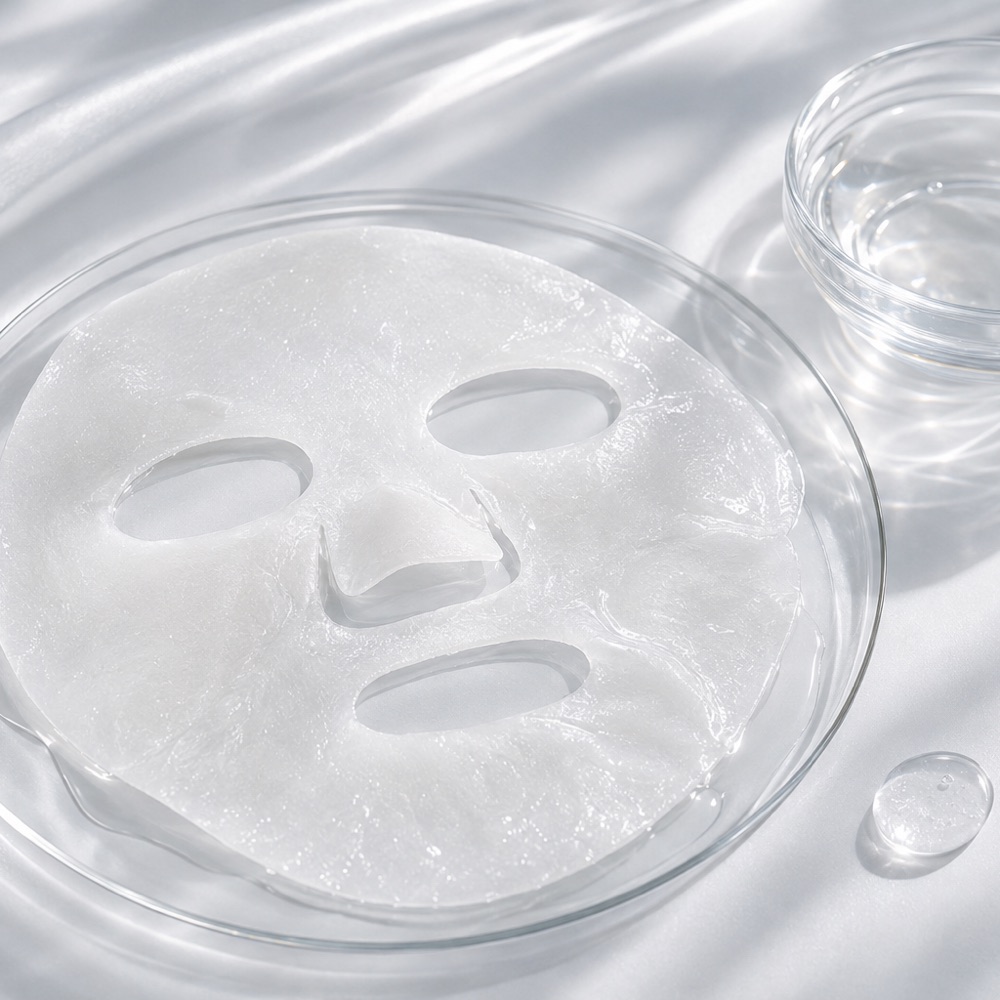
Sheet Mask Development: How to Choose the Sheet and Essence, with a Spec Checklist for Brands
Sheet mask development means deciding the sheet, the essence and the pouch as one set. The sheet determines fit and feel, the essence's thickness and volume shape the wearing experience, and the pouch and outer box shape the unboxing impression and protection. When choosing a sheet material, look beyond feel and ask whether it conveys the impression your brand wants to give.
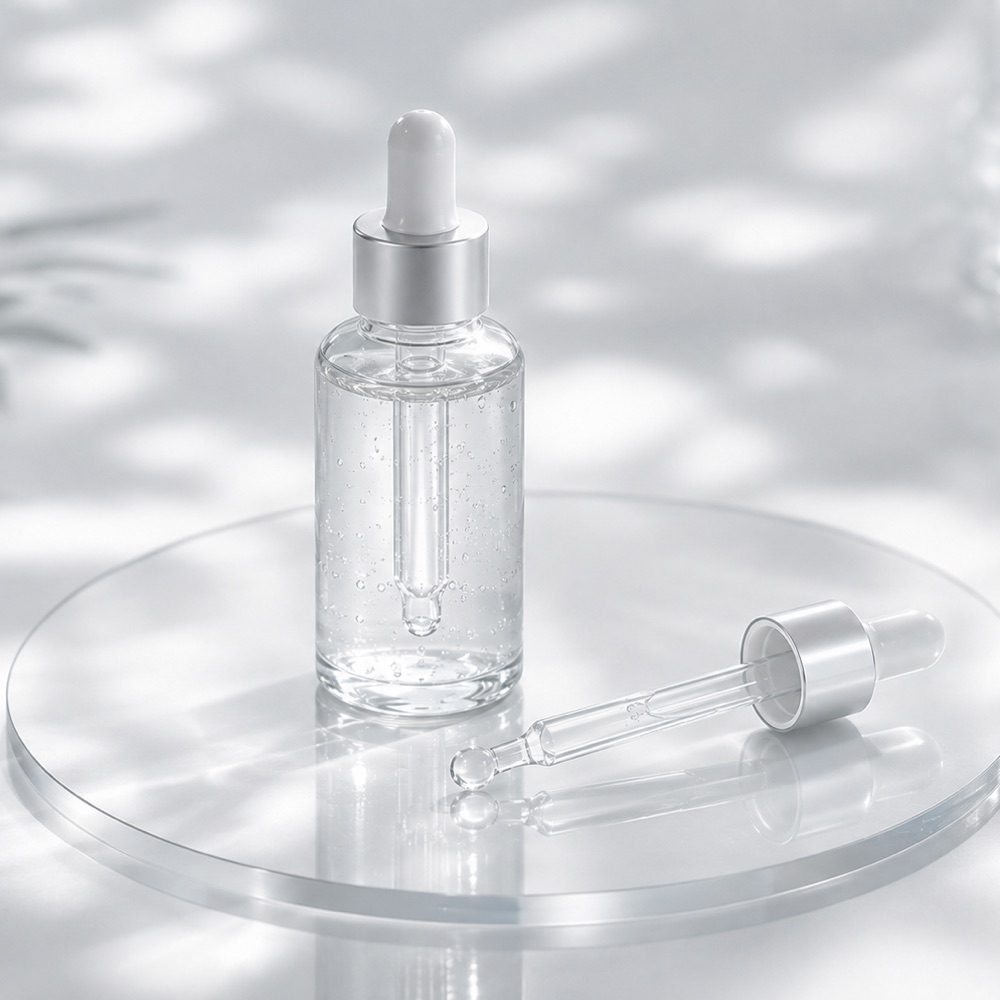
How to Start Developing a Serum: A Decision Guide from Product Positioning to Formula Sampling
Serum development starts with deciding who it's for, what texture and skin feel it should have, what size and packaging to use, and how far its claims can go, then writing this into a product brief before sampling. Feedback on samples should describe what is wrong in which situation so the R&D team can act on it. Texture, fragrance and packaging are also what consumers remember about a brand, so decide them together with your brand positioning.
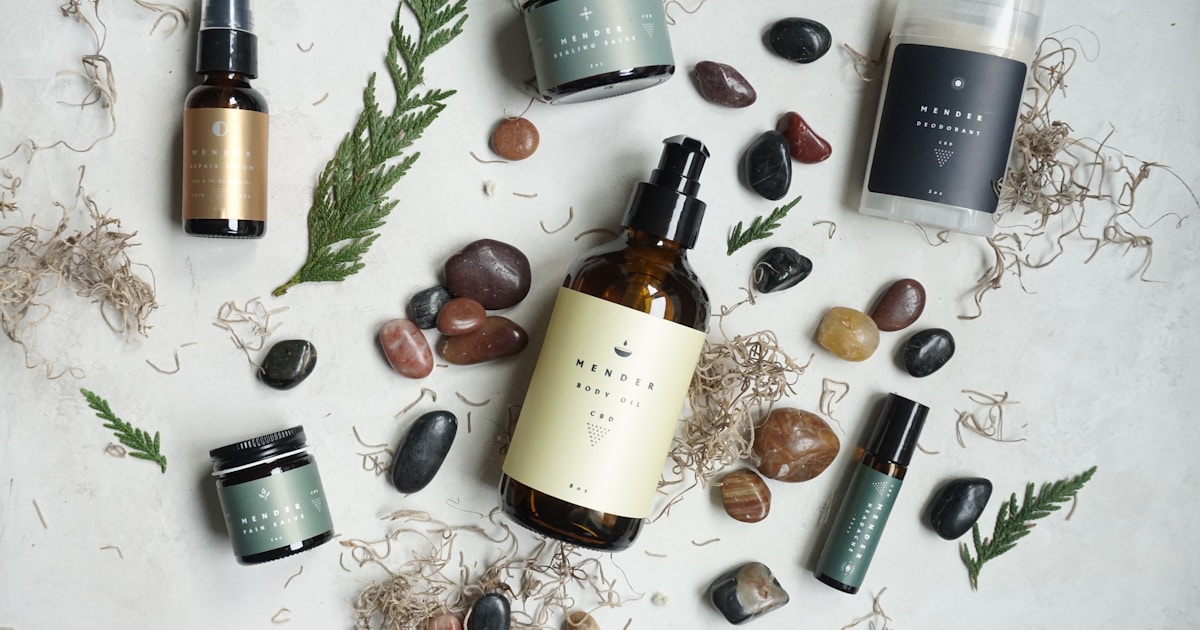
What Marketing Materials Should a Brand Prepare Before Launching a Skincare Product?
Before launching a new skincare product, a brand needs seven types of marketing material: brand story, product copy, product and lifestyle photography, trials and unboxings, social media content, retail product pages and a launch campaign. Most of these can't be finished until the formula is approved or the final packaging arrives, and trial products can only come from finished goods that have passed release testing. So marketing preparation should run in parallel with production, planned backwards from launch day.
How Long Does Skincare Take from Sample to Production? Planning Your Launch Timeline Backwards
From the first discussion to the first shipment, a skincare product typically takes about 4 to 6 months. Most of the time goes into formula sampling and refinement, stability and compatibility testing, and producing custom or printed packaging. When planning back from launch day, schedule marketing at the same time: product photos need the final packaging, and trials and unboxings need finished goods that have passed release testing, so leave a buffer between the first shipment and launch day.
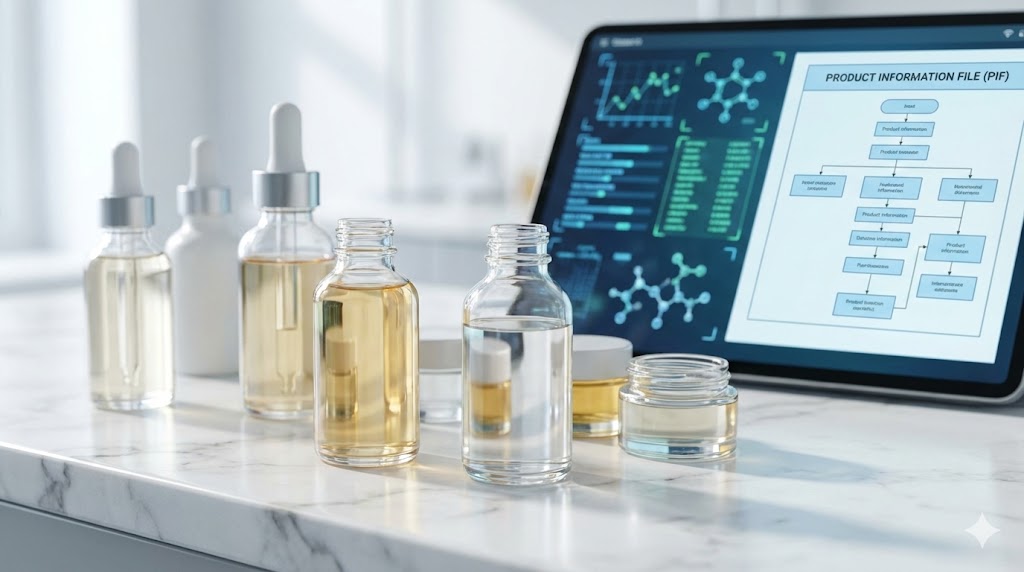
Contacting a Skincare Manufacturer for the First Time: What to Prepare, with a Checklist
For a first inquiry to a skincare manufacturer, you only need to explain the feel you want for your brand, the product type and format, your target customer, the benefit direction, your target launch date and your sales channels. That is enough for the manufacturer to start evaluating a development direction. Anything not yet decided can be marked "TBD"; you don't need every answer before asking. The article includes a copy-ready checklist and the questions to ask after the manufacturer replies.
Starting a Skincare Brand: Should Your First Product Be a Serum, a Sheet Mask or a Cream?
There is no fixed answer for a first product; it depends on whether it can represent the brand. A serum suits brands that want to tell a deep ingredient story and build a product line around it. A sheet mask is an easy entry point for brands with an existing social audience that need unboxing buzz and a low barrier to trial. A cream is easiest to experience on the spot for brands with a physical service space or a focus on texture and skin feel. Once chosen, let the first product's naming, hero ingredient and visuals become the shared language of the product line.
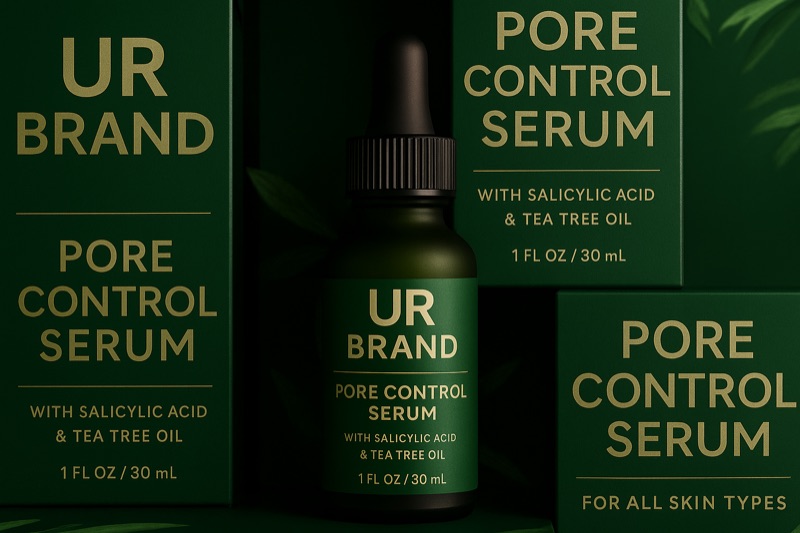
How to Position a New Skincare Brand: Decide Who You Sell To and Why They Buy From You
Positioning a new skincare brand means answering three questions: who the product is for, in what situation they use it, and why they should choose you over anyone else. Differentiation can come from ingredient technology, the target customer or brand values; for a first product, pick one as the main axis. Once the positioning is written as one sentence, product format, texture, packaging, copy and sales channels should all be decided against it.

Skincare Manufacturing Costs: What Drives a Quote and How to Compare Them
There is no fixed price for contract skincare manufacturing. A quote depends on formula complexity, ingredient grade, stock or custom packaging, artwork and printing, testing and stability work, whether you need help with the PIF and product notification, and lead time. Before comparing quotes from different manufacturers, make sure both cover the same specification and the same items, otherwise the numbers cannot be compared.
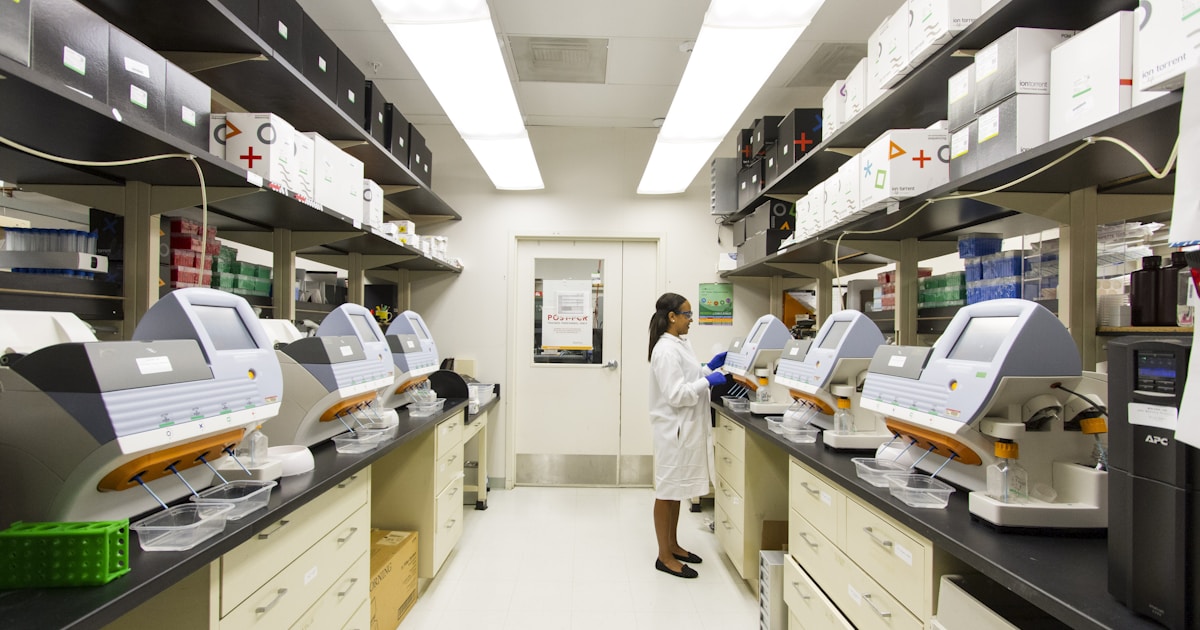
Taiwan Cosmetic GMP: 14 Core Elements and What Brand Owners Should Check in a Manufacturer
Taiwan's cosmetic GMP is the Cosmetics Good Manufacturing Practice Regulations (化粧品優良製造準則), drafted with reference to ISO 22716. It sets out 14 manufacturing management elements, from personnel and premises to production, quality control, complaints and recalls, plus documentation requirements across all of them. Since July 1, 2026, all cosmetic manufacturing sites in Taiwan must comply (except solid handmade soap makers exempt from factory registration), and brand owners can check a manufacturer's product forms, operations and validity date on TFDA's public list of sites that have passed GMP inspection.
How Does Misatsu Help Small and Mid-Sized Cosmetics Brands Succeed Globally?
Misatsu helps small and mid-sized cosmetics brands by letting them start with samples and small runs, with one team handling formulation and sampling, packaging and brand design, Taiwan product registration and the PIF, and export documents such as CPNP notifications and Certificates of Free Sale (CFS). Misatsu has 20 years of contract manufacturing experience, obtained TFDA cosmetic GMP in 2020, and works with brands in Taiwan and the EU.
Taiwan's Phased Cosmetic GMP Rollout: The Three-Phase Timeline and What Brand Owners Should Do
Taiwan's cosmetic GMP was phased in on July 1, 2024 (specific-purpose cosmetics), July 1, 2025 (baby, lip and eye products, non-medicated toothpaste and mouthwash) and July 1, 2026 (all other general cosmetics); all three phases are now in force. Except for solid handmade soap makers exempt from factory registration, every cosmetic manufacturing site must now comply with the Cosmetics Good Manufacturing Practice Regulations, and brand owners should confirm that their manufacturer has passed TFDA's GMP compliance inspection.
Skincare Contract Manufacturing: OEM vs ODM and How to Choose the Right Partner
In skincare contract manufacturing, OEM means the brand supplies the formula and specifications while the manufacturer produces; ODM means the manufacturer develops the formula through to production from the brand's concept. Brands with an existing formula or R&D team suit OEM; new brands starting from an idea usually suit ODM. In both cases, formula ownership should be written into the contract.
How to Choose a Compliant, High-Quality Skincare Contract Manufacturer in Taiwan
When choosing a skincare contract manufacturer in Taiwan, first confirm the factory is registered and appears on the TFDA list of sites that passed the cosmetic GMP compliance inspection; GMP has been phased in, and since 1 July 2026 general cosmetics manufacturing sites are covered too. Then compare R&D and sampling, quality control, product registration and PIF support, communication and confidentiality, and put formula ownership, specifications and lead times in the contract.
Launching Your Own Skincare Brand: 10 Things to Get Right
Before launching your own skincare brand, think through ten things: target customers and positioning, your first product, a compliant GMP manufacturing partner, brand identity, regulatory documents such as product registration and the PIF, budget, sales channels, marketing and claim limits, customer service, and post-launch improvement. Regulatory documents and the choice of manufacturer are the most often underestimated, so plan them from the start of development.