Skincare Manufacturing Costs Explained: Transparent Quotes for Accurate Budgeting
When you start a skincare brand, manufacturing cost is usually the first thing you want to understand. Skincare manufacturing spans formulation development, raw material sourcing, production, packaging and regulatory documentation — and each stage feeds directly into how you can price the finished product. Understanding how the total is built up is the foundation of any realistic business plan.
📋 Key points
How skincare manufacturing cost breaks down
The composition is more involved than it first appears. Formulation development is typically a one-off investment covering the formulator's expertise, laboratory materials and the time spent across multiple iterations. Raw material cost varies considerably with the grade of active ingredients you choose — patented actives or certified organic materials sit at the higher end.
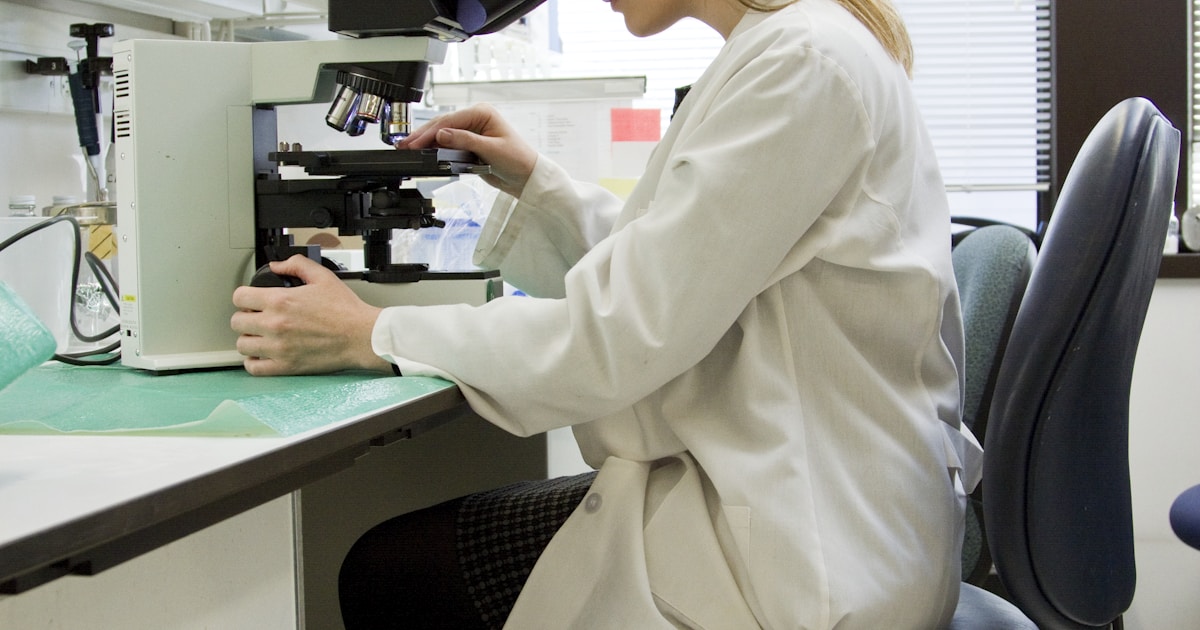
Production covers equipment time, labour and quality testing. Packaging covers containers, labels and outer carton design and production. Regulatory documentation is a further item that should not be overlooked when budgeting.
| Cost item | Share of total | Main drivers | |---------|-------------|-------------| | Formulation development | 5–15% | Formula complexity, development timeline | | Raw materials | 40–60% | Ingredient grade, purchase volume | | Production | 15–25% | Process complexity, quality requirements | | Packaging | 10–20% | Packaging design, material choice | | Regulatory documentation | 5–10% | Market requirements, testing scope |
What drives manufacturing cost
Order quantity is the most significant factor. Larger runs spread the fixed costs — mould development, formula adjustment, equipment cleaning and other set-up work — across more units. Typical order quantities run from 1,000 to 10,000 units; the larger the run, the lower the unit cost.
Product complexity matters just as much. A straightforward moisturiser is relatively simple to produce, while an anti-ageing serum with multiple actives or a process requiring special handling demands more technical input and more quality control.
💡 Worth knowing: choosing a partner with genuinely complete professional manufacturing services avoids the rework costs that poor early planning creates — typically saving a brand 15–30% of total cost.
The main variables:
- Product type — serums, lotions and masks differ considerably in production difficulty
- Packaging format — bottles, tubes and sachets carry different costs
- Testing scope — from basic safety testing to full efficacy substantiation
- Timeline — rush orders normally carry an expediting charge
Budgeting and planning
We recommend planning in stages. Start with a smaller run to test market response, confirm your positioning, then scale production. This controls your early risk while preparing the ground for volume manufacturing.
Budgeting steps:
Step 1 — Market positioning Define your target customer and positioning, which sets your quality tier and price band
Step 2 — Product specification Fix your formulation requirements, packaging design and efficacy claims
Step 3 — Supplier evaluation Compare quotes, service scope and production capability across manufacturers
Step 4 — Cost-benefit analysis Model total cost and expected payback for each option
Step 5 — Risk assessment Consider quality risk, timeline risk and market volatility
Beyond direct production cost, budget for the indirect items too: warehousing, logistics and marketing. We suggest leaving 10–20% headroom for market shifts or product adjustments.
🔍 Looking for the right partner? Misatsu offers a free one-to-one consultation, with our team planning around your brand's specific requirements. Book a free consultation →
Cost considerations when choosing a partner
Price alone is the wrong basis for choosing a manufacturer. A GMP-certified factory may quote slightly higher, but delivers consistent quality and complete documentation support — which is more cost-effective over any meaningful time horizon.
Quality consistency is the real lever on total cost. An experienced manufacturer helps you avoid the returns, re-manufacturing and disputes that quality failures produce. A professional factory also brings a mature product portfolio and established supply chain management, which usually translates into better raw material pricing.
Service breadth affects total economics too. A manufacturer that handles formulation, regulatory documentation and packaging design end to end may not be cheapest on any single line item, but saves a brand substantial coordination cost and time.
Frequently asked questions
Q: What is the typical minimum order quantity for skincare manufacturing?
Usually between 1,000 and 3,000 units, varying by product type and packaging format. More complex products or special packaging may require higher quantities to absorb mould and equipment set-up costs. Confirm both the MOQ and the corresponding unit pricing structure when you talk to a manufacturer.
Q: Can formulation development cost be amortised into production?
Most professional manufacturers offer an amortisation arrangement that spreads development cost across subsequent production runs. This eases early cash pressure, though it normally requires committing to a production contract over a defined period or volume.
Q: How do I ensure quoting is transparent?
Choose a reputable, properly certified manufacturer. A professional factory provides a detailed cost breakdown showing how each item is composed. Ask for a written quotation and make sure you understand the basis of each calculation and what could cause it to move.
In closing
Planning skincare manufacturing cost properly is foundational to a brand's success. Understanding the cost structure, assessing the variables carefully and choosing a partner with real capability and transparent quoting gives your investment the best chance of returning.
Misatsu brings years of manufacturing experience and full GMP certification, with transparent, professional service and cost assessment. Our team will propose the approach that fits your brand's requirements, with a clear cost analysis.
Want more industry perspective? See our insights
相關代工服務
正在規劃自有品牌?以下是與本篇主題相關的 OEM/ODM 代工服務,皆由 TFDA GMP 認證工廠製造。