Your First Skincare Product: Serum, Sheet Mask or Cream?
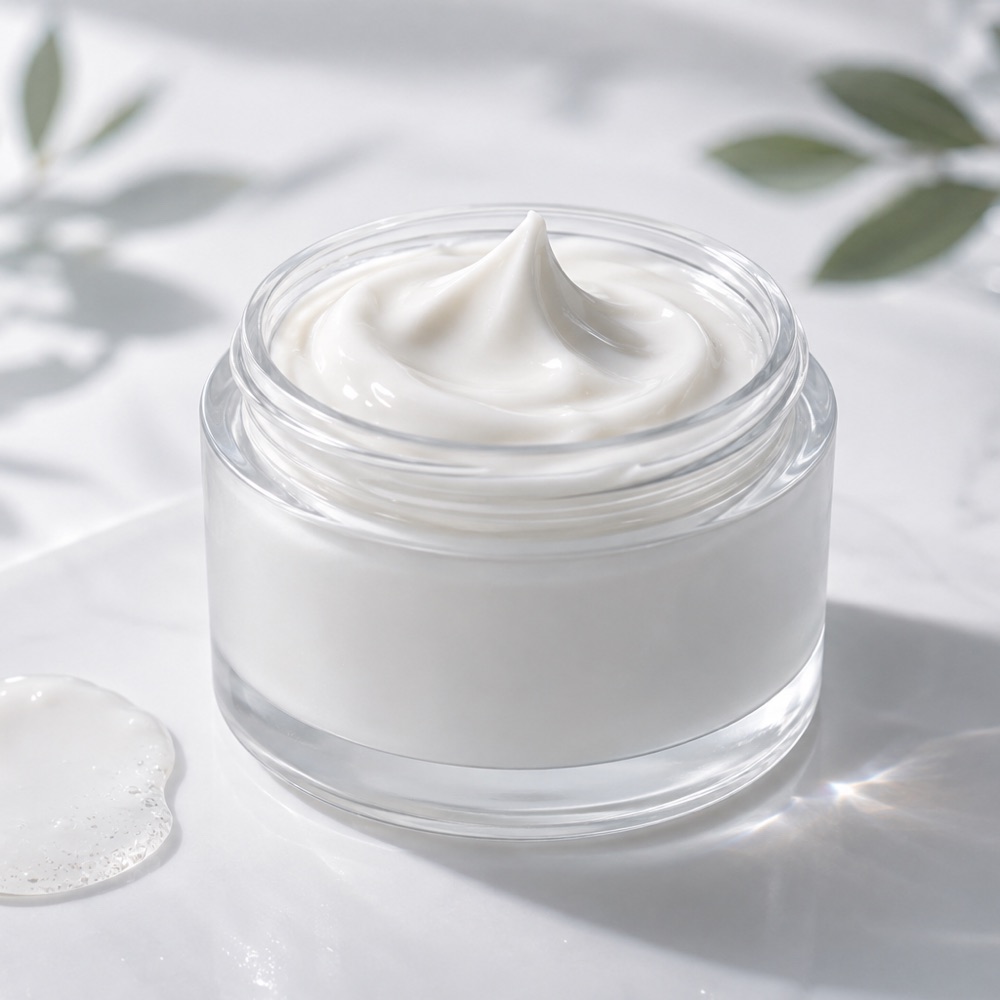
No single format among serums, sheet masks and creams is "guaranteed to sell best." A better question is: which one best represents your brand? If you want to tell a deep ingredient story and build your product line around it, a serum fits best. If you already have a social media audience and need unboxing buzz and a low barrier to trial, a sheet mask is the easier way in. If you have a physical service space, or your brand is built on texture and skin feel, a cream is the easiest to experience on the spot. While choosing, also plan how your second product will follow once the first one is selling.
Key takeaways
Your first product is your brand's self-introduction
Most customers first get to know your brand through its first product. Its texture, packaging, name and the way you introduce it directly shape how people see the brand.
So before choosing, try to answer in one sentence: "Who is my brand for, and what skincare concern does it solve?" Then ask yourself:
- Does this product prove that sentence? After using it, will customers feel "this is what this brand is about"?
- Can you tell this product's story in three sentences in a social post, on a product page or in an in-store introduction?
- Once the first product is selling, can the next one continue the same story?
If you can't write that sentence for your brand yet, go back to positioning first. See how to position a skincare brand.
Four things to confirm before choosing
- Where your audience is: do you already have followers or regular customers, or will you need to find people through ads?
- Your main channel: social-media group buys (a common sales channel in Taiwan), e-commerce marketplaces, your own website, a physical store or a service setting each suit different products.
- What you want your brand to be remembered for: an ingredient, a skin feel or a usage situation?
- When you want to launch: is the launch tied to a sales season? For how to work backward from a launch date, see how long it takes from sample to mass production.
Serum vs. sheet mask vs. cream
The table below compares the three from a marketing and brand-building perspective. "High," "medium" and "low" are relative and will vary with your brand concept and specifications.
| Factor | Serum | Sheet mask | Cream |
|---|---|---|---|
| Buzz potential | Medium: buzz comes from ingredients and concept | High: unboxing and applying the mask make good photos and unboxing content | Medium: scooping and spreading the texture is memorable on camera |
| Repurchase rhythm | Steady, used morning and night | Fastest, as a consumable | Steady, with clear seasonality |
| Suitable channels | Own website, e-commerce, professional channels | Social group buys, e-commerce, gifting, physical stores | Physical stores, service settings, own website |
| Education effort | Higher: ingredients and order of use need explaining | Low: obvious how to use it at a glance | Medium: people need to feel the texture |
| Brand image building | Strong: the easiest way to represent the brand's core message | Medium: good for awareness, harder to carry brand depth alone | Medium to strong: texture and packaging quality become the brand impression |
| Trial barrier | Medium: results take some time to notice | Low: one sheet is enough to try it | Medium: works best when tried in person |
| Packaging complexity | Medium: dropper or pump must match viscosity; highly active ingredients need light protection | High: sheet material, essence, foil pouch and outer box all need planning | Medium: jars need hygienic scooping; pump bottles depend on texture |
| Development timeline variables | Stability testing, bottle selection | Sheet material confirmation, printed packaging proofs | Emulsion stability, bottle or jar selection |
A few points the table can't hold:
- Serums make the best brand anchor. Whatever you add later, whether masks, creams or toners, can be tied together by the same hero ingredient, giving the clearest product-line logic.
- Sheet masks make the best entry point. They let strangers try your brand with the lowest psychological barrier. But if a brand only sells masks, customers struggle to remember how yours differs from other masks.
- Creams depend most on hands-on experience. Photos struggle to convey texture, so brands with a physical space where customers can try the product have an advantage over brands that sell only online.
For what each format can offer, see the service pages: serums and ampoules, masks and lotions and creams.
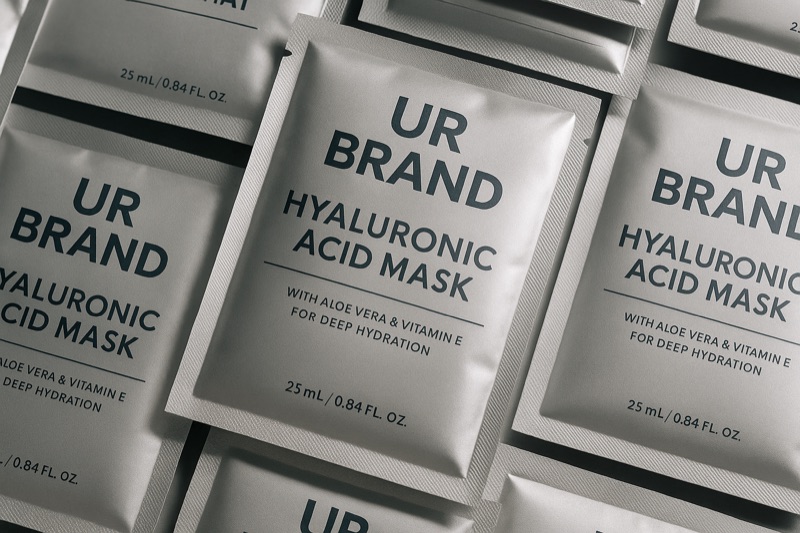
Toners and cleansers can be a first product too
Many people only weigh serums, masks and creams, but toners and cleansers are also common starting points.
| Factor | Toner / functional mist | Cleanser |
|---|---|---|
| Buzz potential | Medium: mists and soaking-pad use make good visuals | Low to medium: lather and wash feel can be content, but rarely get shared |
| Repurchase rhythm | Fast: used generously every day | Fast: a daily staple |
| Education effort | Low | Low |
| Brand image building | Weaker: customers often see it as a basic item, so differentiation must come from concept or how it's used | Weaker: lots of choice on the market, and differentiation is hard to explain |
| Best-suited brands | Brands with a clear usage situation, such as outdoor activities or rehydrating at the office | Brands with a loyal customer base that want an everyday repurchase item |
These two categories are better as a second product or a companion item: build the brand impression with your hero product first, then keep customers coming back with something they use every day. For specifications, see toners and functional mists and cleansers.
Sunscreen claims require supporting test data, which makes sunscreen a relatively demanding first product. If your positioning really must start with sun protection, say so in your first inquiry so the manufacturer can assess the specifications and documentation needed. See sunscreen and functional products.
How to choose based on your situation
The decision guide below starts from what you already have. If more than one applies, go with the first one that matches.
You already have a social audience, and your first wave will be driven by unboxing, group buys or content → Consider sheet masks first. A single sheet is enough to try, unboxing and applying it are easy to photograph, and the barrier to a first purchase is low. → Watch out: plan what comes after the mask at the same time, so followers have a reason to keep buying. For choosing sheet materials, see the sheet mask development checklist.
You want to build a brand core and have a clear ingredient or benefit direction to communicate → Consider a serum first. It carries the brand's message best and most easily becomes the anchor of the product line. → Watch out: education effort is higher, so prepare ingredient explanations, usage instructions and content before launch. For development steps, see the serum development guide.
You have a physical service space (beauty salon, spa, nail or lash studio) → Consider a cream or sheet mask first. Customers can experience it during a service and then continue using it at home. → Watch out: products used in the salon and products sold for home use play different roles. See planning a beauty salon's first private-label products.
You have no audience yet and will rely mainly on ads and e-commerce marketplaces → Choose a single product whose point of difference fits in one sentence. The format matters less. Serums and creams make it easier to write a concrete product description. → Watch out: without an existing audience, content and word-of-mouth preparation before launch matter more than the product itself. See marketing preparation before a skincare launch.
Your brand concept is still vague; you only know you want to make skincare → Don't rush to choose a format. Go back to "who is the brand for, and what concern does it solve." Once you have the answer, the format usually becomes obvious. → If you want someone to plan with you starting from positioning, see Mymind Lab.
Make your first product the starting point of a line
If your first product is the right one, your second and third products don't have to start from zero each time. Plan the extension direction in advance:
| First product | Common extensions | How to connect them |
|---|---|---|
| Serum | Masks, creams and toners in the same series | Keep the same hero ingredient so customers see the set as one routine |
| Sheet mask | Series with different sheet materials or benefit directions, clay or gel masks, eye masks, neck masks | Keep the packaging visuals and naming rules to create a collectible series |
| Cream | A lotion with the same concept, texture versions for different seasons | Keep the texture and scent memory so customers recognize the brand on first use |
| Toner | A large size for soaking pads, a travel bottle, a mist version | The same formula in different usage situations |
Beyond products, use the first one to establish brand assets you'll keep using:
- Naming rules: how series and product names are formed, and whether new products can follow the same pattern.
- Hero ingredient or concept: so customers think of you when they hear that ingredient.
- Visual system: bottle shape, colors, typography and box style. When your second product sits next to the first, it should be clear they come from the same brand.
- Usage situation: whether your brand belongs to the morning, nighttime repair or simple care on busy days. Later products should revolve around that situation.
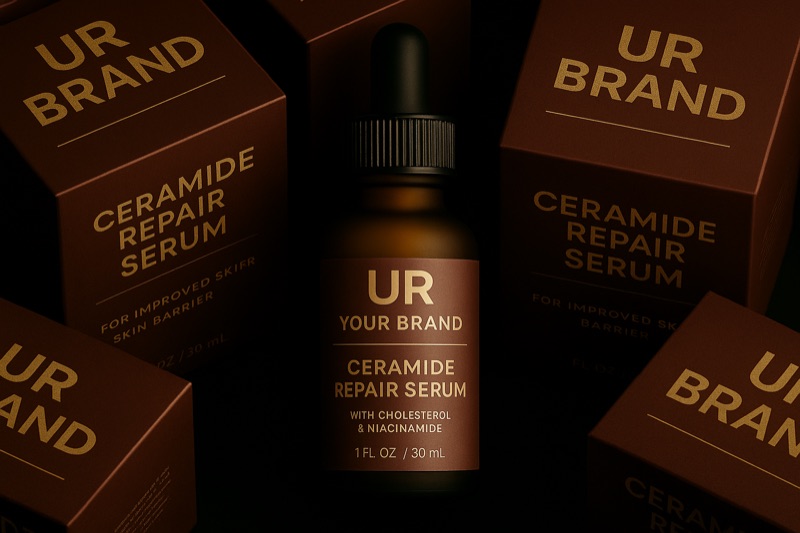
Focus on one or two products first, not a full range
Misatsu's FAQ includes this advice: when a new brand starts out, focus on one or two hero products instead of launching a full set of cleanser, toner, lotion, cream, serum and mask all at once. The reasons:
- Marketing resources are limited. With too many products, none gets explained in depth, and customers can't remember what the brand stands for.
- Every additional product means more inventory and another packaging design to manage.
- After your first product launches, you'll get real customer feedback, and your second product can be adjusted based on it instead of everything being built on assumptions at once.
If you want to launch two products together, it's best if they share the same brand concept or hero ingredient, such as a serum and a mask from the same series. Keep in mind that different formats still need their own formula development and testing.
FAQ
Q: Can I use a manufacturer's stock formula for my first product?
Yes. Stock formulas are quick to develop and good for testing the market, but differentiation is limited, so the brand story has to be carried by concept, packaging and communication. Also ask about formula ownership up front: rights to stock formulas and custom-developed formulas are usually different. A stock formula usually stays with the manufacturer, and the brand gets the right to sell it; ownership of a custom-developed formula should be agreed in the contract. Make sure you ask before signing and put it in the contract. For the difference between the two models, see OEM vs ODM.
Q: I'm not sure about my positioning yet. Can I sample first and decide the format later?
You can start the conversation, but it's best to decide the format before sampling. Sampling means developing a formula for a specific format. A major change midway, such as switching from a cream to a toner, amounts to starting development over, and the development scope and timeline will need to be reassessed.
Q: Should I wait until the formula is final before choosing packaging?
No need to wait until the end. Packaging must be compatible with the formula. For example, highly active ingredients need light-blocking bottles, and a serum's viscosity determines the pump specification. Packaging quality is also part of your brand image, so it's best to discuss both together. For how to choose packaging, see how to choose skincare packaging.
Next step
Once you've organized your brand concept, audience, channels, preferred format and planned launch date, you're ready to make an inquiry. It's fine to write "TBD" for anything you're unsure about. See the checklist for contacting a skincare manufacturer for the first time.
Start developing
Planning your own skincare line?
You don't need every detail. Share what you know, mark the rest "undecided", and we will help you plan the next step.
- Brand concept and target customers
- Product type (serum, mask, cream...)
- Target launch date and sales channels
Related manufacturing services
Planning your own brand? These OEM/ODM services relate to this article. Everything is made in our TFDA GMP-certified factory in Taiwan.