Your First Skincare Manufacturer Inquiry: What to Prepare (Checklist Included)
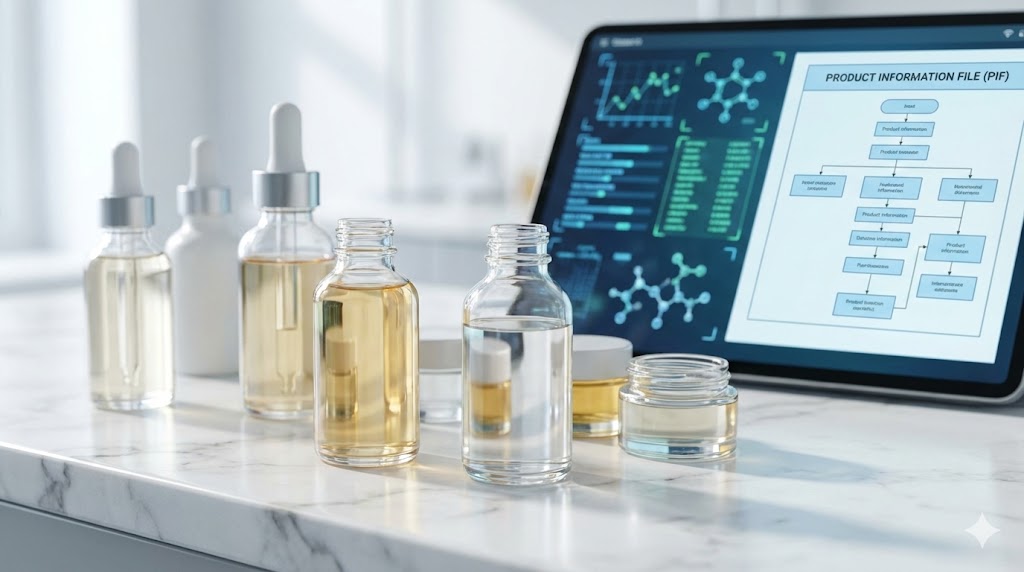
You don't need to have everything figured out before contacting a skincare manufacturer for the first time. As long as you can explain a few things clearly, the feel you want for your brand, the product you want to make (its format), who you are selling to, when you want to launch and where you will sell, the manufacturer can start evaluating a development direction. For anything else not yet decided, such as packaging, ingredients, design or first-batch size, simply write "TBD," and the manufacturer will offer options based on your conditions. Below is a checklist you can copy and fill in, along with the questions to ask once the manufacturer replies.
Key takeaways
Why organize your requirements first
If a manufacturer receives only "I want to make skincare," all they can reply is "What product would you like to make?" After a few rounds of back-and-forth, a week or two has gone by.
Organizing your requirements first helps because:
- The first reply is more specific: the manufacturer can tell you the right format direction, development steps and timeline right away.
- R&D can capture your brand's feel: the formula's texture, scent and skin feel should all serve the impression your brand wants to make. The clearer you are, the closer the samples will be to what you imagine.
- You can compare manufacturers: when you ask with the same checklist, the replies can be compared side by side.
At Misatsu, for example, the first step of working together is a needs consultation and positioning discussion covering channels, target customers, format and sales regions, which then becomes a product development brief. If you fill in the checklist beforehand, this step goes much faster. If your brand positioning isn't clear yet, start with how to position a skincare brand.

Requirements checklist (copy and use)
"Required" means information a manufacturer must have to evaluate your project. "Can be TBD" is helpful if you have it; if not, write "TBD" and fill it in during the discussion.
| Item | What to write | Required / Can be TBD |
|---|---|---|
| 1. Brand and company status | Whether the brand name is decided; whether a company or business is registered (still in preparation is fine) | Required |
| 2. Brand concept | The feel you want for your brand, in a sentence or two; a brand overview or mood board is even better | Required |
| 3. Product type and format | For example, serum, sheet mask, cream, toner or facial cleanser; if unsure, list two candidates | Required |
| 4. Size | Approximate volume per bottle or per sheet; write "TBD" if unsure | Can be TBD |
| 5. Target customer and usage situation | Who will buy it, when they use it and why they need it | Required |
| 6. Benefit direction | For example, hydration, a refreshing feel, softer-feeling skin; no medical claims such as "treats" or "anti-inflammatory" | Required |
| 7. Reference products | Products whose texture, skin feel or concept you like, with product names or photos | Can be TBD |
| 8. Ingredients to include or avoid | Ingredients you want to feature, or ones you don't want, such as fragrance or alcohol | Can be TBD |
| 9. Packaging preferences | Stock or custom; preferred container type, such as dropper bottle, pump bottle or tube | Can be TBD |
| 10. First-batch size | Write your idea if you have one; otherwise "TBD" | Can be TBD |
| 11. Budget planned or not | "Planned" or "TBD" is enough | Can be TBD |
| 12. Target launch date | A month or sales season, such as before Mother's Day or the end of the year | Required |
| 13. Sales channels and regions | Own website, e-commerce marketplaces, physical stores, group buys; Taiwan only, or which export markets | Required |
| 14. Regulatory document needs | Whether you need help with product registration, the PIF (Product Information File) or export documents | Can be TBD |
| 15. Design support | Whether your logo, bottle and outer box are already designed; whether you have a designer | Can be TBD |
Copy the list below, fill it in and paste it into an inquiry form or message:
- Brand name and company status (required):
- Brand concept (required):
- Product type and format (required):
- Size (TBD OK):
- Target customer and usage situation (required):
- Benefit direction (required):
- Reference products (TBD OK):
- Ingredients to include or avoid (TBD OK):
- Packaging preference: stock / custom / TBD:
- First-batch size (TBD OK):
- Budget planned: planned / TBD:
- Target launch date (required):
- Sales channels and regions (required):
- Regulatory documents: product registration / PIF / export documents / TBD:
- Design support: needed / have a designer / TBD:
Why each item matters
Brand and company status: In Taiwan, product labels must state the responsible company's details, and cosmetic product registration (化粧品產品登錄) is filed by a registered business. In practice, this means you need a registered company or business, ideally before launch. You can still make an inquiry while you're preparing; there's no need to wait for registration. For who is responsible for what, see PIF responsibilities: brand vs. manufacturer.
Brand concept: Two hydrating serums, one for "minimal everyday care" and one for "a nighttime self-care ritual," end up with different textures, scents and packaging. This is R&D's most important guide for setting direction.
Format: It determines the development path and packaging choices. If you're still undecided, see should your first product be a serum, a mask or a cream?
Target customer and usage situation: Office workers rushing in the morning tend to want something light and fast-absorbing; mature, dry skin in an evening routine may care more about richness. The more specific the situation, the better the formula fits.
Benefit direction: Write what you want users to feel, not medical effects. This also shapes your later packaging copy and advertising. For where the line is on claims, see cosmetic advertising regulations.
Reference products: More useful than any adjective. "Light like that product, but a little more moisturizing" is something R&D understands immediately. Misatsu can analyze a reference product's texture, skin feel and concept to develop a formula, but does not copy the ingredient list.
Specified ingredients: If you have a specific raw material you want to use, you can supply it yourself; it must pass incoming inspection before entering the factory. Special ingredients can be evaluated for stability and compatibility as long as they comply with Taiwan's regulations and come with a COA and SDS.
Packaging preferences: Packaging is the first thing customers see of your brand. Stock packaging offers fewer choices but a shorter timeline; custom packaging sets you apart but needs extra development time.
Launch timing: For how long development takes, see how long it takes from sample to mass production. If you're aiming for a major sales season such as Double 11 (November 11, a major online shopping festival in Taiwan and across Asia) or Mother's Day, start talking to manufacturers 3 to 4 months early.
Channels and regions: Exporting affects which ingredients the formula can use and which documents you need. Misatsu can help with Taiwan product registration and PIF preparation, and also supports export documents such as CPNP notification and Certificates of Free Sale (CFS).
Design: No designer? No problem. Misatsu works with a partner design team that can create your logo, bottle packaging and outer box. If you have your own designer, Misatsu provides the die-line templates, and once the design is done, helps with a regulatory review and pre-press check.
If it's not decided yet, just write "TBD"
Many people hold off on asking because "I haven't decided on packaging" or "the brand name isn't final." But helping you narrow down undecided items is exactly what a manufacturer's first reply is for.
When you write "TBD," add a short note on what you're thinking, for example:
- Packaging: TBD; I'd like it to look simple and high quality.
- First-batch size: TBD; I'd like your recommendation.
- Format: serum or cream, still deciding.
That way the manufacturer knows to give you a comparison rather than just one answer.
Example of a completed checklist
The following is a hypothetical scenario to show the level of detail, not a real client:
- Brand name and company status: brand name decided; company registration in progress
- Brand concept: simple skincare for busy office workers, all-in-one, not sticky
- Product type and format: serum
- Size: TBD
- Target customer and usage situation: office workers aged 25 to 35, quick skincare before heading out in the morning
- Benefit direction: hydration, softer-feeling skin
- Reference products: TBD
- Ingredients to include or avoid: fragrance-free preferred
- Packaging preference: dropper bottle; stock or custom TBD
- First-batch size: TBD
- Budget planned: TBD
- Target launch date: before Mother's Day next year
- Sales channels and regions: own website and social media, Taiwan first
- Regulatory documents: need help with product registration and PIF
- Design support: need outer box design; logo already done
This is already enough for a manufacturer to reply with a development direction, steps, timeline and what needs to be confirmed next.
Questions to ask after the manufacturer's first reply
The first reply usually gives a general process and timeline. Once you have it, use the questions below to fill in the details. They also make it easier to compare manufacturers.
| Area | Questions to ask |
|---|---|
| Sampling | How many sample versions will you provide? How many rounds of adjustments are included? About how long does it take? How are major changes in direction handled? |
| Timeline | How long from formula approval to delivery? Which stage is most likely to be delayed? Is the packaging in stock or made to order? |
| Quality | What does stability testing cover? What inspections are done before finished goods are released? Will shipments come with a certificate of analysis (COA)? Do you keep retained samples? |
| Regulatory documents | Who is responsible for product registration and the PIF? What information do I need to provide? Will you help check label copy for regulatory compliance? |
| Contract and rights | Is the formula a stock or custom formula? How is formula ownership agreed? When do we sign a non-disclosure agreement (NDA)? |
| Marketing materials | What product information can you provide for marketing, such as key ingredient descriptions, directions for use and claim wording that can be used? |
| Future development | If I want to extend the series later, can the formula and packaging be reused? |
At Misatsu, for example, the final formula and packaging specifications are confirmed at the contract stage, when the manufacturing contract and NDA are signed. Finished products are released after passing microbiological testing, and each shipment comes with a certificate of analysis, with retained samples kept.
Once you have the product information, you can start preparing launch content and communication. See marketing preparation before a skincare launch.
FAQ
Q: Can I make an inquiry before my company is set up?
Yes. Early discussions about brand concept, formula direction and timeline don't require company registration. However, in Taiwan, product labels must state the responsible company's details, and product registration is filed by a registered business, so in practice you need a registered company or business. We recommend completing registration before launch, then completing product registration and preparing the PIF. See the complete guide to cosmetic product registration and PIF in Taiwan.
Q: I only have an idea and I'm not even sure about the format. Can I still ask?
Yes. The first reply will lean more toward suggesting directions. If you want help planning from brand positioning onward, see Mymind Lab.
Q: Can I send the same checklist to several manufacturers?
Yes, and we recommend it. Asking with the same checklist lets you see where the replies differ. For what to look for when choosing, see how to choose a skincare manufacturer in Taiwan.
Send us your checklist
Start developing
Planning your own skincare line?
You don't need every detail. Share what you know, mark the rest "undecided", and we will help you plan the next step.
- Brand concept and target customers
- Product type (serum, mask, cream...)
- Target launch date and sales channels
Related manufacturing services
Planning your own brand? These OEM/ODM services relate to this article. Everything is made in our TFDA GMP-certified factory in Taiwan.